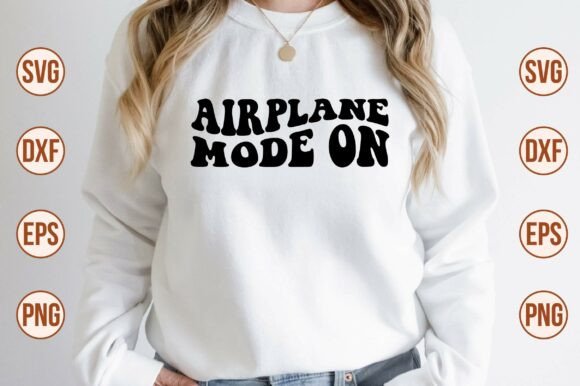
Airplane Mode on Retro SVG Review
As a designer who spends half my life staring at stitch plots and the other half troubleshooting tension issues, I don’t just look at an embroidery file; I look at how it will behave under the needle. When I first pulled up Airplane Mode on Retro SVG, I didn’t just see a graphic; I saw a potential bestseller for the right craft business owner or a perfect personalized gift for a frequent flyer in my circle. This review breaks down exactly where this design fits in the real world of handmade products, small shop merchandise, and commercial embroidery projects.
The First Impression: Mood and Visual Personality
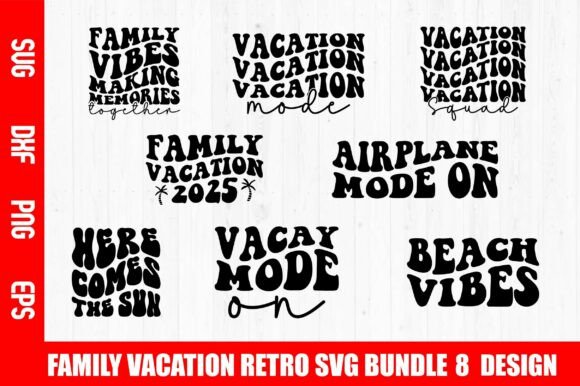
The name says it all, but the execution is what matters. The retro aesthetic immediately signals a specific vibe: nostalgic, relaxed, and effortlessly cool. In a market saturated with minimalist line art and overly complex floral arrangements, Airplane Mode on Retro SVG offers a distinct visual personality that stands out. It feels like a design meant to be worn by someone who values their downtime as much as their hustle.
Visually, the layout strikes a balance between bold statement and subtle detail. For an embroidery project intended for apparel or accessories, this level of detail is crucial. If the design is too sparse, it can look unfinished on fabric. If it’s too dense, it can become stiff and uncomfortable. This design seems to occupy that sweet spot where the typography or iconography carries weight without overwhelming the garment. It creates a mood of "unplugged luxury," which resonates strongly with modern consumers looking for comfort and style in equal measure.
Real-World Application: Where Does It Shine?
I’ve tested numerous files for various use cases, and Airplane Mode on Retro SVG naturally gravitates toward a few specific categories. Let’s look at how it performs in actual production scenarios.
- Custom Apparel and Sweatshirts: This is the primary home for this design. Whether applied to a heavyweight cotton sweatshirt or a soft-blend t-shirt, the retro theme complements the texture of the fabric beautifully. On a sweatshirt embroidery project, the contrast between the thread and the fleece creates a tactile appeal that photos alone cannot capture.
- Tote Bags and Canvas Goods: A tote bag design featuring this motif speaks directly to the traveler or the creative professional. The durability of canvas holds up well to embroidery, and the message aligns perfectly with the utility of a tote—carrying your essentials while leaving your phone behind.
- Baby and Nursery Items: Don’t overlook the baby embroidery market. Parents love personalized gifts that reflect their lifestyle. A onesie or nursery wall hanging with this design offers a humorous yet chic take on modern parenting, signaling that even new parents need a break from connectivity.
- Holiday Gifts and Personalized Products: During the holiday season, unique messages sell. This design works exceptionally well as a personalized gift for teachers, pilots, flight attendants, or anyone who appreciates digital detoxing. It adds a layer of thoughtfulness that generic store-bought items lack.
Technical Considerations and Stitch Clarity
From a technical standpoint, converting a vector graphic into a machine-readable format requires careful attention to stitch density and placement. While the source file is provided as an editable EPS and DXF, the translation to machine embroidery design format is where the magic happens.
When evaluating Airplane Mode on Retro SVG for stitching, the most critical factor is the stitch density. Retro designs often rely on clean lines and solid fills. If the fill stitch is too dense, the fabric may pucker, especially on lightweight materials. Conversely, if it’s too light, the background fabric might show through, ruining the thread colors and visual impact. Designers should inspect the file to ensure that the satin stitch borders are tight enough to cover the raw edges but not so thick that they create a bulky ridge.
Another key element is the running stitch or decorative accents. These smaller details add character but can get lost if the hoop size is too large relative to the design area. Always check that the fine lines remain distinct after digitizing. A good rule of thumb is to view the design at 50% scale on your monitor; if you can’t clearly distinguish the elements then, they won’t survive the stitching process.
Where to Use It Carefully
No design is universal, and Airplane Mode on Retro SVG has its limitations. There are specific contexts where this file might struggle or require significant adjustment.
- Small Hoop Sizes: If you are working with a compact hoop (under 4x4 inches), intricate details in the text or graphics may merge together. It is best suited for medium to large placements, such as the chest of a shirt or the center of a tote.
- Textured and Stretchy Fabrics: Avoid using this design on highly textured fabrics like heavy wool or stretchy jersey knits without proper stabilization. The distortion caused by stretching can warp the embroidery file, making the retro font look uneven or distorted.
- Curved Surfaces: While caps and hats are popular, applying a flat, rectangular-based design to a curved surface like a baseball cap can lead to misalignment. This design works better on flat panels or structured bags rather than tightly curved brims.
- Dense Stitch Areas: If the original vector contains very small, crowded text, it may not translate well to embroidery. Embroidery is less forgiving than print; tiny letters can bleed into each other. Ensure the digitizer has simplified the text appropriately for thread application.
Impact on Brand and Customer Trust
For Etsy sellers and small shop product creators, the quality of the design directly impacts customer trust. A poorly executed embroidery file looks cheap and unprofessional. However, a well-stitched Airplane Mode on Retro SVG elevates the perceived value of the item. It signals that the maker cares about aesthetics and technical precision.
This design also enhances handmade presentation. When customers receive a product that features a clever, relatable message like "Airplane Mode," they are more likely to share it on social media. This organic marketing boosts brand visibility and drives engagement. Furthermore, using high-quality design assets ensures consistency across your product line, reinforcing your brand identity as one that delivers reliable, stylish, and functional goods.
Practical Designer Notes for Success
Before committing to a full production run, follow these practical steps to ensure success:
- Test on Scrap Fabric: Always run a test stitch on the same type of fabric you plan to use. This reveals issues with puckering, thread breakage, or color mismatch before you waste materials on a final product.
- Check Thread Color Contrast: Retro palettes often include muted tones. Ensure there is sufficient contrast between the thread and the fabric. Dark threads on dark fabrics can disappear, while neon threads on bright fabrics can clash.
- Use Proper Stabilizer: The choice of stabilizer is non-negotiable. Cut-away stabilizers are generally recommended for woven garments to provide long-term support, while tear-away may suffice for temporary items like tote bags.
- Inspect Small Details: Zoom in on the digitized file. Are the corners sharp? Are the curves smooth? If the original vector was low-resolution, the resulting digital embroidery file may appear jagged. Start with the highest quality source possible.
- Confirm Licensing: If you intend to sell finished items, verify the commercial use rights of the Airplane Mode on Retro SVG file. Some licenses allow for personal use only, while others permit unlimited commercial sales. Ignoring this step can lead to legal issues and financial penalties.
In conclusion, Airplane Mode on Retro SVG is a versatile and emotionally resonant design that fits seamlessly into the current landscape of handmade crafts and custom apparel. By paying attention to stitch density, fabric choice, and licensing, designers and entrepreneurs can turn this simple graphic into a profitable and beloved product. It’s not just an image; it’s a statement that, when stitched correctly, speaks volumes to the wearer.