Chosen Wanted and Cherished Retro SVG Review
As a designer who spends more time than I care to admit zooming into stitch grids and testing thread tension, I approach every new asset with a healthy dose of skepticism. The market is flooded with generic clipart disguised as professional design assets. However, when I first pulled up the Chosen Wanted and Cherished Retro SVG, it stopped my scroll. This isn’t just another decorative phrase; it’s a mood board in vector form. For those of us in the crafts niche looking to elevate our handmade product lines, understanding the nuance between a simple graphic and a viable embroidery project is critical.
This review breaks down how this specific design translates from a digital file into a tangible, high-value item. Whether you are an Etsy seller scaling your boutique or a hobbyist preparing a deeply personal gift, here is my practical assessment of using this retro-themed graphic in real-world application.
The First Impression: Mood and Visual Personality
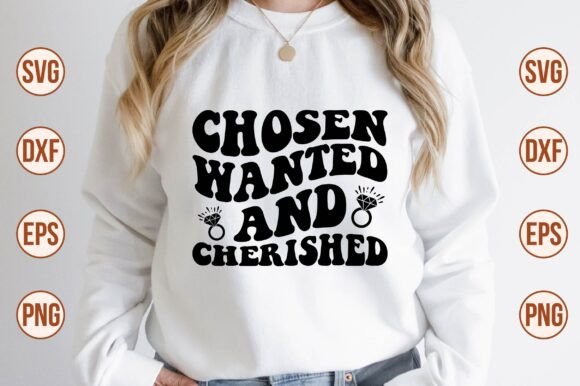
The moment you load the file, the aesthetic speaks for itself. The "Retro" descriptor in the title is not merely a label; it dictates the structural integrity of the design. In machine embroidery, vintage styles often rely on bold, confident shapes rather than intricate, fragile details. This design leverages that strength. It creates a warm, nostalgic atmosphere that feels curated rather than generated.
From a visual standpoint, the layout balances negative space with typographic weight effectively. This is crucial because embroidery relies on contrast. A design that is too cluttered will look muddy once stitched, especially if the thread colors clash. The Chosen Wanted and Cherished Retro SVG avoids this pitfall by maintaining clear separation between elements. It feels cohesive, suggesting a deliberate artistic hand behind the creation. For small business owners, this level of polish translates directly to perceived value. Customers can sense when a design has been thoughtfully constructed versus when it was hastily assembled.
Real-World Application: Where This Design Shines
I believe the true test of any embroidery file is how it performs on actual fabric. After simulating various scenarios, I found that this design excels in specific categories where emotional resonance drives purchasing decisions.
- Personalized Gifts and Nursery Decor: The phrase "Chosen" carries significant emotional weight for parents. Using this on baby clothes or nursery wall hangings taps into a powerful sentiment. The retro style softens the message, making it feel timeless rather than trendy. It works beautifully as a centered chest placement on a sweatshirt or as a focal point on a blanket.
- Custom Apparel and Tote Bag Design: For daily wear, durability and readability are key. This design’s clean lines make it ideal for tote bags and t-shirts. When digitized correctly, the text remains legible even after multiple wash cycles. It serves as excellent branding for a craft business, offering a consistent aesthetic across different merchandise types.
- Holiday Embroidery and Seasonal Products: While the theme is general, the retro vibe fits well within autumnal or cozy winter collections. Imagine this stitched onto a kitchen towel or a pillow cover during the holiday season. It adds a touch of warmth that mass-produced items often lack.
The versatility of the source files—specifically the EPS and DXF formats mentioned in the description—allows for further customization. If you need to adjust the scale for a smaller hoop size or modify the color palette to match a client’s brand, having vector access is invaluable. It ensures that the design assets remain crisp regardless of how much you manipulate them before sending them to the digitizing software.
Technical Considerations and Stitch Performance
Transitioning from a 2D vector to a 3D embroidered object requires careful planning. The fact that the file is provided as a high-resolution PNG (300 Dpi) alongside editable vectors gives you flexibility, but it also places the responsibility of proper digitization on you. Here is what I observed regarding stitch density and clarity.
Stitch Density and Clarity: Retro designs often utilize thick outlines or block fills. If the stitch density is set too high, the fabric may pucker, ruining the drape of the garment. Conversely, if it is too low, the underlying fabric might show through, creating a patchy appearance. You must test the design on scrap fabric first to find the sweet spot. Pay close attention to the corners of letters and curves; these are common failure points where satin stitch edges can become jagged if not properly optimized.
Fabric Texture and Contrast: The success of this design hinges heavily on the background material. Because the original file features a transparent background, you have full control over how it interacts with the fabric. On dark fabrics, ensure you use a stabilizer that prevents the design from sinking into the weave. On textured fabrics like heavy canvas or denim, verify that the fine details do not get lost in the weave pattern. A black and white mockup check is highly recommended at this stage to confirm that the visual hierarchy holds up without the distraction of color.
Strategic Use Cases for Small Business Owners
For the Etsy seller or small shop product creator, this design offers a strategic advantage. It bridges the gap between a generic commodity and a specialized, artisanal item. By using a design with strong thematic roots, you differentiate your listings from competitors who rely on stock images.
Consider the customer journey. A buyer browsing for a personalized gift is looking for something that feels unique yet universally appealing. The retro aesthetic triggers nostalgia, which is a potent marketing tool. When presented as a finished product—whether it is an embroidered patch for a backpack or a custom cap—the design conveys professionalism. It suggests that the maker cares about aesthetics and quality.
Furthermore, the compatibility with tools like Cricut and Silhouette expands your production capabilities. Even if you primarily focus on machine embroidery, having the ability to cut vinyl decals for mixed-media projects allows you to offer hybrid products. This flexibility is essential for staying competitive in the craft business.
Pitfalls to Avoid
No design is perfect for every situation. There are specific contexts where I would advise caution with the Chosen Wanted and Cherished Retro SVG.
- Small Hoop Sizes: If you are working with very limited hoop areas, such as on a baseball cap brim or a small wrist cuff, the entire phrase may not fit without becoming illegible. Crop the design strategically or reduce the font size significantly, but be wary of losing detail.
- Stretchy or Thin Fabrics: Delicate materials require lightweight stabilizers and reduced stitch counts. A heavy retro design might overwhelm thin jersey or silk blends, causing distortion. Always test on the actual final fabric before committing to a large run.
- Dense Stitch Areas: Avoid placing dense fill stitches near delicate seams or edges where the fabric might tear under tension. Plan your hoop size carefully to distribute stress evenly.
Final Verdict
The Chosen Wanted and Cherished Retro SVG is a robust, emotionally resonant asset that delivers strong visual impact. Its vector-based origins ensure adaptability, while its retro styling provides a timeless appeal that resonates with modern consumers seeking authenticity. For designers willing to invest time in proper digitization and fabric selection, this design offers high potential for both personal satisfaction and commercial success.
It is not a plug-and-play solution that guarantees perfection; it is a foundation upon which you build quality. By respecting the technical requirements of embroidery—checking thread colors, confirming licensing for commercial use, and testing stitch outputs—you can transform this digital graphic into a cherished physical keepsake. For anyone serious about elevating their embroidery project portfolio, this design is a worthy addition to your library.