Cute but Dangerous Cute Cactus Retro SVG Review
As a designer who spends half my life in the embroidery hoop and the other half worrying about client expectations, I don’t just buy files; I vet them. When Cute but Dangerous Cute Cactus Retro SVG landed on my desk, my first thought wasn’t about its pixel count or file format, but rather: how will this translate from a flat vector into a tactile, stitched reality? This listing is for a digital cutting file that can be used with Cricut or Silhouette cutting machines, which immediately sets a specific expectation. It suggests a design born for vinyl, heat transfer, or cardstock, rather than one optimized for needle penetration. However, in the world of handmade commerce, boundaries are often blurred. Many crafters attempt to adapt graphic-heavy designs for machine embroidery, while others use these files for applique bases or backing elements.
I decided to put Cute but Dangerous Cute Cactus Retro SVG through the wringer. The goal was to determine if this design holds up as a viable asset for serious projects, whether you are an Etsy seller looking for your next best-seller or a hobbyist preparing a personalized gift. The retro aesthetic is undeniable, tapping into a nostalgic mood that feels both playful and slightly edgy. But does it work when it’s thread-on-fabric?
First Impressions and Visual Personality
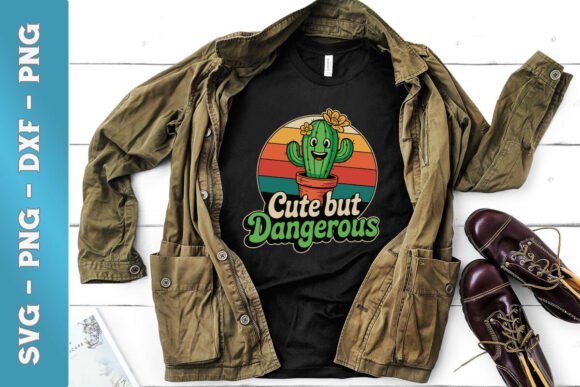
The immediate appeal of Cute but Dangerous Cute Cactus Retro SVG lies in its character. It isn’t just a generic plant outline; it has a distinct visual personality. The "retro" label usually implies bold shapes, perhaps some muted earth tones, and a simplified geometry that reads well at a glance. For an embroidery project, simplicity is often the enemy of complexity, but here, it might be the savior. If the original vector relies on fine lines or intricate shading that doesn't translate well to stitch paths, the design could look muddy or distorted once digitized.
In its native state as a cutting file, the design likely features clean, crisp edges. This is excellent for vinyl decals on water bottles or laptop sleeves. But when we talk about custom apparel, sweatshirts, or tote bag design, we need to consider how those edges behave. A sharp corner in a vector file can become a jagged mess in satin stitch if not handled with proper underlay. The "dangerous" aspect of the title suggests spikes or thorns, which adds textural interest. In embroidery, these spikes can be rendered beautifully using short satin stitches or even running stitch for a more rustic, hand-sewn look. The contrast between the "cute" rounded body and the "dangerous" points creates a dynamic focal point that draws the eye.
Real-World Application: From Screen to Stitch
Let’s imagine a real-life scenario. You are preparing a batch of holiday gifts for a boutique client. They want something unique for their staff—perhaps embroidered patches for denim jackets or patches for canvas aprons. Cute but Dangerous Cute Cactus Retro SVG fits the current trend of botanical themes with a twist. It’s recognizable, shareable, and visually engaging.
If I were to use this for an embroidered patch, the design would likely serve as the base layer. Because the listing specifies it is a cutting file, I would treat it as an applique design. Here is how that process might unfold: I would cut the cactus shape out of felt or fleece using my cutting machine, then stabilize the fabric underneath. The cutting file provides the perfect template for the fabric piece. Once the applique is fused or basted in place, I would digitize a simple satin border around the edge to secure it and add definition. This hybrid approach leverages the precision of digital cutting with the texture of embroidery.
For a tote bag design, the application is straightforward. The high-contrast nature of retro graphics works exceptionally well on natural cotton canvases. The design would pop against the neutral background, making it ideal for a small shop product that needs to stand out in photos. Similarly, for baby embroidery, such as onesies or burp cloths, the soft curves of the cactus body are gentle and appealing, while the retro color palette (think mustard yellows, terracottas, and sage greens) aligns perfectly with modern nursery decor trends.
Where Caution Is Required
However, no design is without its pitfalls. As an experienced reviewer, I must highlight where Cute but Dangerous Cute Cactus Retro SVG requires careful handling. Since this is primarily a cutting file, it lacks the inherent structural integrity of a properly digitized embroidery file. If you attempt to stitch directly over the lines without modification, you risk puckering, especially on stretchy fabrics like jersey knits used for t-shirts or caps.
Small hoop sizes are particularly risky. If the design contains tiny details or narrow gaps between the cactus arms and body, stitching these areas can lead to thread breaks or misalignment. Always test the design on scrap fabric first. Check thread color contrast meticulously; a dark green cactus on black fabric will disappear, ruining the visual appeal and customer trust. Inspect small details closely. If the original vector has hairline strokes, these will likely fail in embroidery unless they are converted into wider fill areas.
Furthermore, consider the fabric texture. On coarse linen or heavily textured wool, the clean lines of the retro design may get lost. For products that need frequent washing, such as kitchen towels or tea towels, ensure that any applique layers are securely stitched down. Loose threads can snag, leading to a damaged finished product and negative reviews. Also, be mindful of curved surfaces like caps or hats. A flat vector design does not automatically conform to curvature; you may need to adjust the placement or use a smaller hoop size to maintain the design’s proportions.
Practical Designer Notes for Success
To get the most out of Cute but Dangerous Cute Cactus Retro SVG, follow these practical steps:
- Test on Scrap Fabric: Never go straight to the final garment. Use a similar fabric type to check how the design interacts with the weave.
- Review Stitch Density: If you are digitizing this yourself, ensure the stitch density is appropriate for the fabric weight. Too dense, and the fabric will pucker; too sparse, and the design will look thin.
- Confirm Hoop Size: Verify that your machine can accommodate the design dimensions. If the design is large, you may need to split it or use a larger frame.
- Check Licensing: Before selling finished items or digital products, confirm licensing terms. Just because you bought the file doesn’t always mean you have commercial rights for all uses.
- Use Proper Stabilizer: The choice of stabilizer can make or break the result. For woven fabrics, tear-away might suffice; for knits, cut-away is essential for longevity.
- Mockup in Black and White: Convert the design to grayscale to check contrast levels. This helps identify areas that might lack definition in thread.
Final Verdict on Value and Appeal
Cute but Dangerous Cute Cactus Retro SVG is a versatile asset that bridges the gap between digital crafting and textile arts. Its strength lies in its clear, bold aesthetic, which translates well to applique and hybrid techniques. For the Etsy seller or craft business owner, it offers a trendy, recognizable motif that appeals to a wide audience. It works beautifully for personalized gifts, wedding favors, and boutique branding.
However, it is crucial to remember that this is a cutting file, not a native embroidery file. Treating it as such without adaptation will lead to poor results. By using it as a guide for applique, or by carefully digitizing its key elements, you can create professional-grade handmade products that delight customers. The design’s retro charm adds a layer of sophistication that elevates simple items like tote bags and aprons into statement pieces. Ultimately, success depends on your willingness to adapt the file to the medium. With careful execution, Cute but Dangerous Cute Cactus Retro SVG can be a valuable addition to your design assets, helping you create memorable, high-quality finished products that stand out in a crowded marketplace.
Whether you are creating digital embroidery file previews, printable mockups, or physical merchandise, this design offers a solid foundation. It reminds us that great design is not just about the image, but about how that image lives and breathes in the hands of the maker. Embrace the hybrid workflow, respect the materials, and let the retro cactus bring a touch of playful danger to your next creative endeavor.