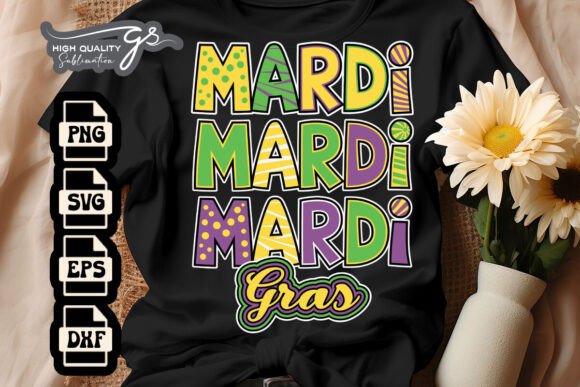
Glitter Mardi Gras Coquette Retro SVG Review
As a designer who spends half my life staring at stitch charts and the other half trying to sell handmade goods, I don’t just look for pretty pictures. I look for viability. When I first pulled up Glitter Mardi Gras Coquette Retro SVG, my immediate reaction was less about the festive theme and more about the execution potential. In the crowded world of digital design assets, it is easy to get lost in noise. However, this file presents an interesting case study for anyone looking to bridge the gap between trendy aesthetics and profitable handmade product lines.
First Impressions: The Mood and Visual Personality
The moment you load this into your digitizing software or design program, the vibe hits hard. It captures that specific intersection of "coquette" elegance—think ribbons, bows, and soft curves—with the chaotic energy of Mardi Gras. For Etsy sellers and small shop owners, this duality is gold. It appeals to two distinct but overlapping audiences: those who love the romanticized, feminine aesthetic and those who want something celebratory for carnival season.
Visually, the design feels balanced. The retro elements suggest a vintage appeal that has been evergreen for years, while the glitter aspect (which we will discuss in terms of thread choice) adds a modern twist. It doesn’t feel cluttered. Instead, it has a clear focal point. This is crucial because when translating a vector graphic into a physical object, complexity can quickly become a nightmare. Here, the layout suggests a design that respects negative space, which translates directly to better stitching clarity on fabrics like cotton twill or jersey knit.
Real-World Application: From Screen to Stitch
Let’s talk about where this actually lives in the real world. I recently imagined using this machine embroidery design for a custom order: a set of personalized tote bags for a local boutique’s spring event. The client wanted something that screamed "fun" but still looked high-end enough to justify a premium price point. Glitter Mardi Gras Coquette Retro SVG fits that brief perfectly.
On a sturdy canvas tote, the contrast between the fabric texture and the smooth satin stitches would pop. But it isn’t limited to bags. This design screams sweatshirt embroidery. Imagine this centered on a heather grey crewneck or embroidered on the pocket of a chambray shirt. The retro theme works exceptionally well for apparel decorators targeting young adults who are active on social media platforms like TikTok and Instagram. The visual personality of the design encourages sharing, which is a subtle but powerful driver for buyer engagement.
Furthermore, consider the giftability factor. During the weeks leading up to Fat Tuesday, people are hunting for unique party favors. A set of embroidered aprons featuring this design could be a massive hit for craft fair products. Alternatively, scaling it down slightly for a baby bodysuit or a nursery pillow cover taps into the "baby embroidery" market, which is always hungry for cute, thematic items. The versatility here allows a craft business owner to create multiple SKUs from a single asset, maximizing return on investment.
Where to Exercise Caution
However, no design is without its pitfalls. As an experienced reviewer, I have to flag where this design might struggle. First, avoid placing intricate details on highly textured fabrics. If you try to stitch this on a rough burlap or a thick boucle wool, the fine lines of the coquette elements will disappear into the weave. Stick to smoother surfaces like denim, fleece, or tightly woven cottons.
Second, be mindful of hoop size constraints. If the original vector is large, you may need to resize it significantly to fit smaller hoops, such as those used for caps or hats. Resizing can distort proportions, so always check the aspect ratio before committing to a custom apparel project. Additionally, if you plan to use this on stretchy fabrics like spandex blends, ensure you are using a proper stabilizer. Without adequate support, the tension of the threads can pucker the fabric, ruining the professional finish that customers expect.
Another critical consideration is dark fabric. While the retro colors might stand out on white, they may get lost on black unless you use high-contrast thread colors. Always test your thread colors against your base material. A quick tip is to print a black-and-white mockup of the design; if the shapes don’t read clearly in grayscale, they likely won’t stitch clearly in color either.
Practical Designer Notes for Execution
To get the most out of this embroidery file, you need to treat it with technical precision. Here is my checklist for ensuring a successful outcome:
- Test on Scrap Fabric: Never run this straight onto your final product. Run a test on a scrap piece of the same material to check how the threads interact with the weave.
- Review Stitch Density: High-density areas can cause puckering. If the design has large fill stitches, consider reducing the density slightly or adding pull compensation adjustments in your software.
- Inspect Small Details: Zoom in on the smallest curves. Are they too thin to hold their shape? If so, you might need to simplify the design or use a thicker thread weight.
- Check Licensing: Before you start selling these as commercial embroidery items, double-check the license terms. Some digital files allow personal use only, while others permit commercial sales of finished goods. Confusion here can lead to legal headaches.
- Stabilizer Selection: Use a cut-away stabilizer for garments that will be washed frequently. Tear-away might suffice for one-time use items like party decorations, but it won’t hold up over time.
Final Verdict: Does It Add Value?
In conclusion, Glitter Mardi Gras Coquette Retro SVG is more than just a seasonal decoration; it is a versatile tool for creative entrepreneurs. Its blend of nostalgia and trendiness makes it highly marketable. Whether you are creating a tote bag design for a festival or a personalized gift for a client, this file provides a strong foundation.
The key to success lies in the execution. By paying attention to fabric choice, thread contrast, and stabilization, you can elevate this digital file into a tangible, high-quality finished product. For graphic designers and embroiderers alike, it offers a chance to experiment with mood and texture while delivering a product that resonates emotionally with buyers. If you are looking to add a touch of playful sophistication to your design assets, this is a worthy addition to your library. Just remember: the magic happens in the details, so take the time to prep, test, and refine. That is what separates a hobbyist from a pro.