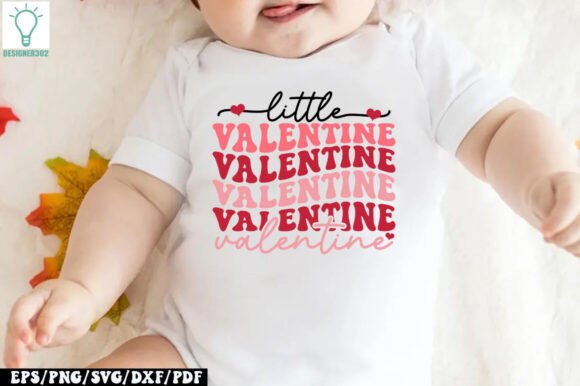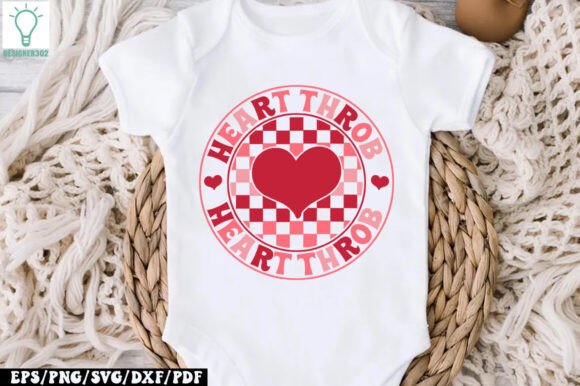
Little Sweet Heart Retro SVG Review
As a designer who spends half my life staring at stitch density charts and the other half arguing with Cricut Design Space, I don’t just buy digital files—I vet them. When it comes to Valentine’s Day collections, the market is saturated with generic clip art that looks flat once stitched. That is why I took Little Sweet Heart Retro SVG for a spin before committing it to any client projects or Etsy listings. This isn’t just another heart; it’s a specific aesthetic choice that demands careful consideration regarding fabric, placement, and end-use.
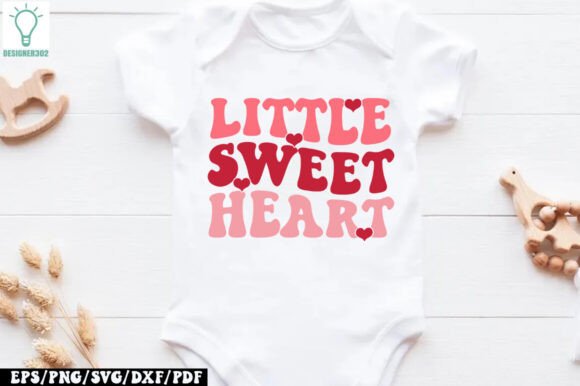
The product description notes that this bundle includes SVG, DXF, PNG, EPS, and PDF formats, which is standard but essential for versatility. However, the real test lies in how those vectors translate into physical thread. After reviewing the visual personality of the design, I found myself thinking immediately about custom apparel and boutique branding rather than simple hobbyist scraps.
First Impressions: Mood and Visual Personality
The first thing that strikes you about Little Sweet Heart Retro SVG is its nostalgic weight. It doesn’t scream for attention like neon pink hearts might; instead, it whispers with a curated, vintage charm. The shape feels balanced, avoiding the overly complex details that often result in tangled messes during embroidery. For an embroidery designer, this balance is crucial. A design that is too intricate for its scale will look muddy on fabric, while one that is too sparse can feel unfinished.
This design sits comfortably in that sweet spot. It has enough character to stand alone as a focal point on a garment but remains clean enough to be part of a larger composition. The retro vibe suggests a target audience that appreciates handmade authenticity over mass-produced perfection. It feels right at home on a muted olive green sweatshirt, a cream-colored tote bag, or a soft pastel baby onesie. It creates a mood that is warm, approachable, and timeless—exactly what buyers are looking for when they seek personalized gifts or unique craft business items.
Real-World Application: From Screen to Stitch
I evaluated how this file would perform in several realistic scenarios. Let’s start with custom apparel. If you are an Etsy seller or small shop owner preparing a holiday collection, placing this design on the chest of a unisex hoodie offers a sophisticated alternative to loud graphics. The clean lines of the retro heart work exceptionally well with satin stitch borders, giving the finished product a polished, professional look that justifies a higher price point.
Another strong use case is for baby embroidery. Because the design lacks sharp, aggressive angles, it translates beautifully onto delicate fabrics like muslin or cotton blends used for burp cloths and nursery decor. When I imagined this on a tea towel or kitchen apron, the retro aesthetic added a touch of whimsy that fits perfectly in a modern farmhouse-style kitchen. It’s not just a decoration; it’s a statement piece that enhances the handmade presentation of everyday items.
For commercial embroidery projects involving embroidered patches, this design holds up well. The solid shapes allow for clear definition even when cut out. However, the success here depends heavily on the stabilizer used and the tension settings of your machine. A dense fill stitch might overwhelm the finer details if not digitized correctly, so checking the original file structure is vital before production.
Where to Exercise Caution
No design is without its limitations, and Little Sweet Heart Retro SVG is no exception. There are specific situations where this file requires careful handling to avoid disappointing customers.
- Small Hoop Sizes: While the design is versatile, attempting to stitch it in a hoop smaller than 4x4 inches may result in lost detail. Tiny lettering or fine inner curves can become indistinguishable blobs of thread. Always inspect small details by zooming in on the vector layer before resizing.
- Textured and Stretchy Fabrics: Embroidery on chunky knits, terry cloth, or highly stretchy jersey fabrics can distort the retro geometry. The tension required to pull the thread tight might pucker the fabric, ruining the clean lines that make this design appealing. Use proper stabilizer—a cut-away for stretchy fabrics is non-negotiable.
- Dense Stitch Areas: If the design relies heavily on fill stitch for the main body, be mindful of fabric texture. On thin fabrics, heavy stitching can show through to the reverse side, creating an uncomfortable bulk. Test on scrap fabric first to ensure the back is as clean as the front.
- Curved Surfaces: Applying this to caps or hats requires precision. The flat nature of the design must align with the curvature of the cap panel. Misalignment can make the heart look tilted or distorted, affecting buyer engagement and brand consistency.
Impact on Product Value and Brand Trust
Using high-quality design assets like Little Sweet Heart Retro SVG directly influences customer trust. Buyers can often tell the difference between a hastily downloaded clip art and a thoughtfully chosen graphic. When a finished product features crisp edges, consistent thread colors, and appropriate stitch density, it signals professionalism. This is particularly important for digital product sellers who provide printable mockups. Your preview images should reflect the true potential of the design, setting accurate expectations for the final product.
The retro theme also taps into current trends that favor nostalgia and authenticity. By incorporating this design into your craft business inventory, you are offering something that feels curated rather than generic. This enhances the perceived value of your handmade products, whether they are sold at local craft fairs or through online platforms. Customers are willing to pay more for items that feel personal and well-made, and a clean, stylish design is the foundation of that perception.
Practical Designer Notes for Execution
Before you upload this file to your embroidery machine or send it to a print-on-demand service, keep these practical tips in mind:
- Thread Color Contrast: The retro aesthetic relies on contrast. Ensure your thread colors pop against your fabric background. Dark threads on dark fabrics may lose definition, while light threads on bright fabrics might wash out.
- Black and White Mockups: View your design in grayscale to check for clarity. If the shapes blend together without color, they will likely struggle in stitch form.
- Licensing Verification: Although the bundle includes various formats for ease of use, always confirm the licensing terms before selling finished items. Some files are for personal use only, while others allow commercial distribution. Protect your small shop product from legal issues by reading the fine print.
- Stabilizer Selection: Match your stabilizer to your fabric weight. Lightweight fabrics need lightweight stabilizers, while heavier garments require robust support to prevent distortion.
In conclusion, Little Sweet Heart Retro SVG is a solid addition to any designer’s library of design assets. It offers a timeless appeal that works across a wide range of embroidery projects, from personalized gifts to commercial merchandise. By paying attention to fabric choices, stitch density, and proper finishing techniques, you can transform this digital file into a tangible product that delights customers and strengthens your brand. It’s not just a heart; it’s a strategic choice for quality-driven makers.