Vintage Retro SVG Embroidery Review
As a designer who spends half my day in CAD software and the other half troubleshooting stitch errors on a hoop frame, I don’t just look at an Limited Edition SVG, Vintage, Retro Svg file; I look at how it translates to thread. In the world of digital embroidery files, there is a massive gap between what looks good on a screen and what actually stitches well on fabric. When you are evaluating a design for real project use—whether it’s for your own hobbyist stash or a high-volume Etsy shop—the difference is everything.
I recently pulled this specific vintage-themed vector to test its viability for a small batch of custom apparel. My goal was to create a cohesive line of boutique goods that felt authentic, not mass-produced. Here is my practical breakdown of how this design holds up under scrutiny, from first impression to final product.
The First Impression: Mood and Visual Personality
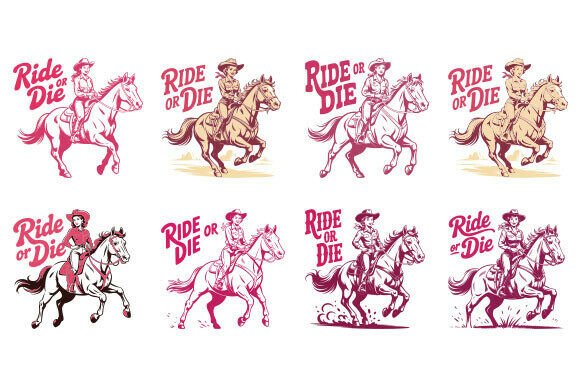
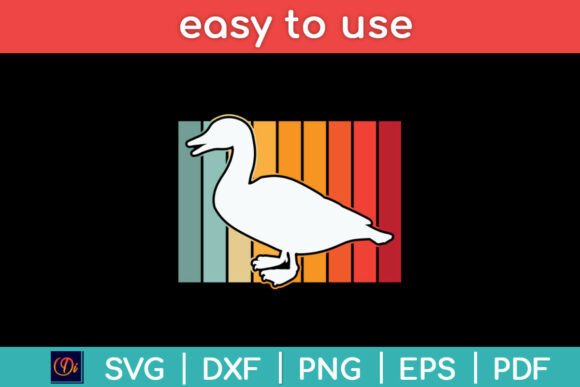
The moment you open the file, the aesthetic speaks loudly. This isn’t just a generic clip-art shape; it carries a distinct retro personality. The lines feel curated, suggesting a mid-century or classic vintage influence that resonates strongly with current trends in handmade fashion. For a craft business owner, this visual language is gold. It immediately signals "curated" rather than "cheap."
From a design perspective, the layout feels balanced. It doesn’t scream for attention but rather invites the viewer in. This subtlety is crucial for embroidery because dense, overly complex designs can often look cluttered once translated into thread. This design, however, seems to rely on strong silhouettes and clear negative space, which are two of the most important factors for successful machine embroidery. It feels like a design asset that could anchor a brand identity, offering consistency across different products without looking repetitive.
Real-World Application: Where Does It Fit?
I put this embroidery file through its paces by mentally mapping it out onto various standard products. The versatility here is notable, but it shines brightest in specific categories.
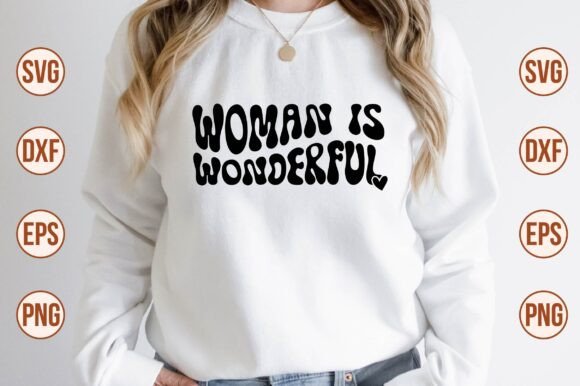
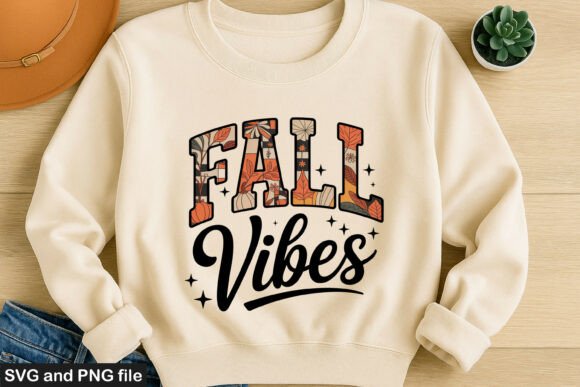
- Custom Apparel: Imagine this on a heavyweight cotton sweatshirt. The retro vibe pairs perfectly with boxy fits and neutral tones. On a t-shirt, it offers a casual, everyday appeal that customers love for personalized gifts.
- Tote Bag Design: Canvas bags are a staple for any craft fair. A vintage graphic on a natural linen or heavy canvas tote creates an instant boutique feel. It works as a standalone statement piece or paired with simple text.
- Baby Embroidery: Soft pastels or muted earth tones applied to baby clothes bring a timeless quality. Parents often gravitate toward designs that won’t look dated in five years, and this retro style hits that sweet spot.
- Kitchen and Home Decor: Tea towels, aprons, and pillow covers benefit from this kind of durable, graphic imagery. It adds character to a kitchen without being too loud.
For an Etsy seller or small shop product creator, this design bridges the gap between personalization and professionalism. It allows you to offer a finished product that looks like it came from a established brand, even if you are operating out of a home studio.
Technical Considerations and Stitch Clarity
This is where the rubber meets the road. A pretty picture on a screen means nothing if the machine can’t execute it cleanly. While the source is an SVG, we must consider how it will be converted or used in an machine embroidery design workflow.
The detail level appears moderate, which is ideal. Designs with tiny, intricate corners often suffer from thread breaks or messy backings. This design seems to favor larger shapes and smoother curves, which generally translate better to satin stitch outlines or clean fill stitch areas. However, you must always inspect the small details closely. If there are tiny lettering elements or fine decorative accents, they need enough space to breathe.
Stitch density is another critical factor. If the design relies heavily on dense fills, it can become stiff and uncomfortable against the skin, especially on baby items or delicate fabrics. Conversely, if it is too sparse, it may lack visual impact. The retro aesthetic usually benefits from a bit of texture, so checking how the stabilizer interacts with the fabric choice is vital. On stretchy knits, for example, you need a stabilizer that provides enough support to prevent distortion without adding bulk.
Where to Use With Caution
Not every surface is created equal. There are specific scenarios where this design might struggle:
- Small Hoop Sizes: If you are working with very limited hoop space, ensure the design’s dimensions fit comfortably. Crowding a design leads to missed stitches and trimming issues.
- Textured Fabrics: Heavily textured materials like boucle wool or thick chenille can hide the nuances of the design. The contrast between the thread and the fabric texture might get lost.
- Curved Surfaces: Applying this to caps or hats requires careful digitizing or placement. Curvature can distort straight lines and symmetrical shapes, so testing on scrap material first is non-negotiable.
- Dense Stitch Areas: Avoid placing dense parts of the design over seams, zippers, or pockets, as these areas already have built-up thickness that can cause needle breakage or uneven stitching.
Visual Appeal and Customer Trust
In the digital age, your printable mockup is often the first point of contact with a buyer. A high-quality design assets image helps build trust. When a customer sees a crisp, well-defined embroidery design on a mockup, they assume the physical product will match. This vintage retro svg has a strong visual hook that stands out in a crowded marketplace.
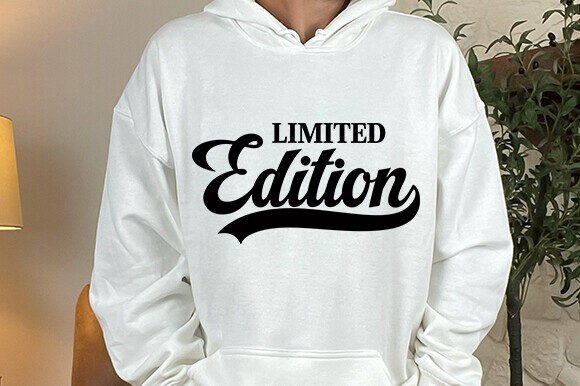
Furthermore, the "Limited Edition" aspect implies exclusivity. Even though it is a digital download, marketing it as such can increase the perceived value of your handmade product. Customers are willing to pay more for items that feel unique and thoughtfully designed. This design supports that narrative by offering a sophisticated look that elevates simple garments.
Practical Designer Notes for Implementation
Before you commit to a full production run, follow these steps to ensure success:
- Test on Scrap Fabric: Always run a test stitch on the actual fabric you plan to use. Colors can shift, and fabric behavior varies wildly.
- Check Thread Color Contrast: Ensure the chosen thread colors provide enough contrast against the fabric. Low contrast can make the design disappear.
- Review in Black and White: Convert your mockup to black and white to check the balance of light and dark areas. This helps identify if certain parts of the design are too heavy or too light.
- Confirm Licensing: Since this is a digital product, verify the license terms before selling finished items. Some licenses allow commercial use for a limited number of units, while others require a separate agreement for unlimited sales.
- Inspect Small Details: Zoom in on the original file. Are there any tiny spikes or thin lines that might not stitch reliably? Simplify if necessary.
Final Verdict
The Limited Edition SVG, Vintage, Retro Svg is a strong contender for anyone looking to add a touch of nostalgia to their embroidery projects. Its balanced composition and clear visual language make it suitable for a wide range of applications, from personalized gifts to commercial embroidery merchandise. By paying attention to technical details like stitch density and fabric choice, you can leverage this design to create professional, high-value products that resonate with customers. It is a versatile tool in the kit of any serious crafter or entrepreneur.