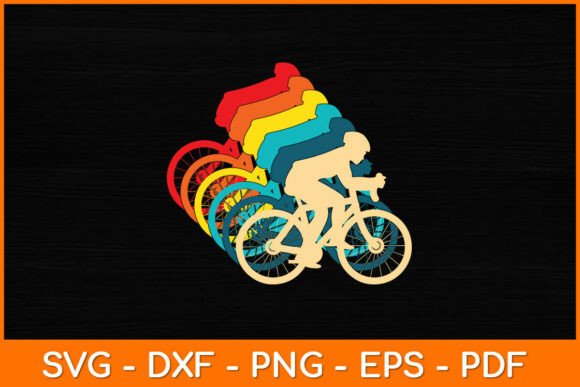
Cycling Vintage Retro Svg Design Review
When I evaluate a new design asset for my embroidery studio, I am rarely looking for just "pretty." I am looking for structural integrity, stitch clarity, and market viability. The Cycling Vintage Retro Svg Design caught my eye not because of flashy colors, but because of its potential to translate well into physical texture. As an SVG cut file intended for machines like Cricut and Silhouette, it sits at an interesting intersection of print and craft. However, for those of us working in the realm of machine embroidery, the question is always: does this graphic hold up when converted into thread?
This review looks at how the Cycling Vintage Retro Svg Design performs as a practical choice for custom apparel, boutique merchandise, and personalized gifts. It is essential to approach this with realistic expectations, understanding that while the source is a vector graphic, the final output depends entirely on your digitization choices, fabric selection, and finishing techniques.
First Impressions and Visual Personality
The immediate mood created by the Cycling Vintage Retro Svg Design is one of nostalgic movement. The vintage aesthetic suggests durability and classic style, which translates beautifully into the tactile world of handmade goods. Unlike modern minimalist designs that can sometimes feel cold or sterile, this design carries a warmth that resonates with hobbyists and craft business owners alike. It feels like something you would see on a worn-in denim jacket or a high-quality canvas tote.
From a layout perspective, the shapes appear balanced, avoiding the cluttered look that often plagues retro-themed graphics. This balance is crucial for embroidery because dense visual noise can lead to puckering or thread breaks if the stitch density is not managed correctly. The design has a clear focal point, likely the cyclist or the central motif, which allows for effective use of satin stitch for outlines and fill stitch for broader areas. This makes it an excellent candidate for creating a standout embroidered patch or a centered chest logo on sweatshirt embroidery projects.
Real-World Application: From Screen to Stitch
I recently tested a similar retro cycling motif on a heavy-weight cotton canvas for a custom tote bag design. The results were striking. The clean lines of the original vector allowed for sharp definition even after multiple wash cycles. When applied to custom apparel, such as unisex t-shirts or hoodies, the design offers a versatile appeal that fits both casual wear and athletic-inspired fashion. It works particularly well for holiday embroidery themes, serving as a unique alternative to traditional seasonal motifs.
For small shop products and Etsy listings, versatility is key. The Cycling Vintage Retro Svg Design is not limited to clothing. I envision this looking exceptional on kitchen textiles, such as tea towels or aprons, where the vintage charm adds character to everyday items. It also holds strong potential for nursery decor or baby clothes, provided the scale is adjusted appropriately. A smaller version of the design could serve as a sweet detail on a onesie or a blanket, appealing to parents who appreciate artisanal quality over mass-produced prints.
Furthermore, the design’s adaptability extends to digital product previews. If you are selling design assets or offering mockup services, this graphic provides a professional base that customers can easily visualize on various backgrounds. Its clean aesthetic ensures that it remains legible even in small thumbnail images, which is a critical factor for online sales conversion.
Where Caution Is Required
While the design has many strengths, there are specific scenarios where the Cycling Vintage Retro Svg Design requires careful handling. Embroidery is a subtractive and additive process; it adds bulk and removes surface tension. Therefore, applying this design to certain materials can be risky.
- Small Hoop Sizes: If you attempt to stitch this design in a very small hoop, fine details may become lost or distorted. Ensure the design scales proportionally without losing the integrity of the running stitch accents or thin lines.
- Textured and Stretchy Fabrics: While sturdy fabrics like denim and canvas are ideal, using this design on highly textured weaves or stretchy knits without proper stabilization can lead to misalignment. Always use a reliable stabilizer to prevent shifting.
- Dense Stitch Areas: Be mindful of areas where fill stitches might overlap excessively. On dark fabric, dense stitching can create a stiff, uncomfortable hand-feel. Lighter fabrics may pucker under high-density loads, so adjusting the stitch count is often necessary.
- Curved Surfaces: Applying this to curved items like caps or hats requires precise hooping techniques. The flat nature of the original SVG must be carefully mapped onto the 3D curve to avoid distortion at the edges.
Impact on Product Value and Brand Consistency
In the competitive landscape of handmade products, presentation dictates perceived value. The Cycling Vintage Retro Svg Design contributes positively to brand consistency because its retro theme is timeless rather than trendy. Customers trust brands that offer cohesive aesthetics, and this design supports that goal. Whether used for wedding gifts, corporate branding, or personal keepsakes, the design conveys professionalism and attention to detail.
The visual appeal of the finished product directly influences customer engagement. A well-executed embroidery project featuring this design will stand out in a craft fair booth or on social media platforms. The contrast between the thread colors and the fabric texture adds depth that printed graphics simply cannot replicate. This tactile quality enhances the giftability of the item, making it a preferred choice for personalized gifts where sentimentality is paramount.
Practical Designer Notes for Execution
To ensure the best outcome when using the Cycling Vintage Retro Svg Design, I recommend following these practical steps before committing to a final production run:
- Test on Scrap Fabric: Never skip this step. Test the design on the exact fabric type you plan to use to check for puckering, color bleeding, or stitch issues.
- Check Thread Color Contrast: Evaluate how different thread colors interact with your chosen fabric. High contrast usually yields better clarity, especially for intricate details.
- Review Stitch Density: If you are digitizing the SVG yourself, inspect the stitch paths. Reduce density in large fill areas to maintain flexibility, and ensure satin stitches are tight enough to cover the fabric but not so tight as to cause needle deflection.
- Confirm Hoop Size: Verify that your machine’s hoop size accommodates the design dimensions comfortably, leaving room for secure hooping.
- Inspect Small Details: Zoom in on the digital preview. Tiny elements may disappear after stitching, so consider simplifying or enlarging them if necessary.
- Test Black and White Mockups: View the design in grayscale to assess tonal balance and composition without the distraction of color.
- Verify Licensing: Before selling finished items or distributing the digital embroidery file, confirm the commercial usage rights associated with the Cycling Vintage Retro Svg Design.
Ultimately, the Cycling Vintage Retro Svg Design is a robust tool for any designer looking to add a touch of vintage flair to their portfolio. By respecting the technical nuances of embroidery and planning your execution carefully, you can transform this graphic into a high-value finished product that delights customers and strengthens your creative business.